
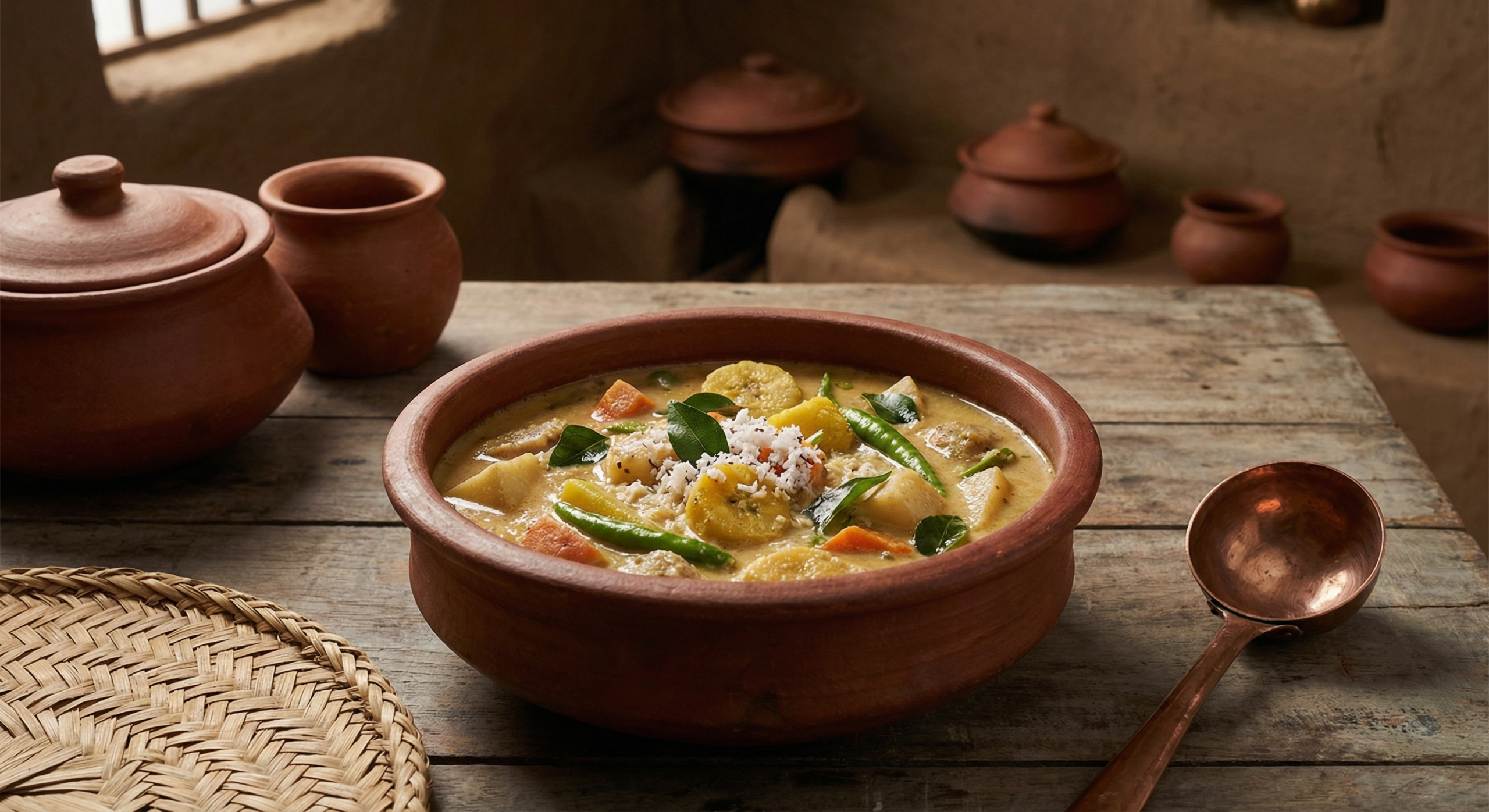
Ahoy, foodie bestie! 🌊 Today, we’re setting sail for the sun-drenched, turquoise lagoons of Lakshadweep. Imagine sitting under a swaying palm tree, the salt air on your skin, and a bowl of the most fragrant, creamy Island Stew in your hands. This isn’t just your average curry; it’s a delicate, white-as-coral broth that’s all about the pure flavors of fresh coconut and the bounty of the sea. Whether you’re a seafood lover or looking for the ultimate veggie comfort bowl, this stew is your ticket to paradise. Let’s dive into the island life!
The Story of the Island Stew: A Malabar Legacy in the Coral Sea
To understand the food of Lakshadweep, you have to look at its neighbor—Kerala. Historically, these 36 coral islands were a major stop for traders sailing the Arabian Sea. Because of their proximity to the Malabar Coast, the culture, language, and especially the kitchen are deeply intertwined with Malayali traditions. The Island Stew is a direct cousin of the famous Kerala Ishtu, but with a unique island twist that makes it stand out.
In Lakshadweep, life revolves around two things: the ocean and the coconut tree (locally called the “Kalpavriksha” or the divine tree). Historically, because these islands are so remote, the people had to be incredibly resourceful. There are no massive spice plantations here like in the Western Ghats. Instead, the islanders rely on the natural sweetness of fresh coconut milk and the subtle heat of green chilies. The Island Stew was born as a way to highlight the catch of the day—usually fresh Tuna (locally known as Choora)—without masking its flavor with heavy masalas.
But wait, there’s more to the story! In many island households, this stew is a symbol of celebration. It’s often served during weddings and festivals alongside Appams (lacey rice crepes) or Malabar Parotta. The tradition of making this stew is a slow, rhythmic process. Grandmas on islands like Minicoy or Agatti still prefer extracting the coconut milk by hand, separating the “first press” (the thick, creamy dream) from the “second press” (the lighter, cooking liquid). This patience is what gives the stew its silky, soulful character.
Historically, the use of stone vessels (Kal Chatti) was common in the islands, helping to retain the delicate flavors of the coconut milk without overheating it. When you taste a spoonful of this stew, you’re not just tasting a recipe; you’re tasting the history of ancient sea routes, the simplicity of island life, and a culinary tradition that has remained pure and untouched by modern fusion. It’s a dish that invites you to slow down, breathe in the tropical air, and savor every creamy drop.
The Authentic Lakshadweep Island Stew Recipe
This recipe is for the Classic Veg/Fish Island Stew. You can use hearty vegetables like potatoes and carrots, or toss in some fresh fish fillets for the authentic island experience!
- Prep time: 15 mins
- Cook time: 25 mins
- Serves: 3-4 island explorers
Ingredients:
- 2 medium potatoes, cubed
- 1 large carrot, sliced
- 1 large onion, thinly sliced (do not brown!)
- 4-5 green chilies, slit (adjust for heat)
- 1 inch ginger, julienned
- 1 cup thick coconut milk (First Press)
- 2 cups thin coconut milk (Second Press)
- A sprig of fresh curry leaves
- 2-3 cloves, 1 inch cinnamon, 2 green cardamoms
- 1 tbsp coconut oil (must be virgin coconut oil!)
- Salt to taste
- Optional: 250g fresh Tuna or Kingfish fillets (cut into cubes)
Instructions:
- The Tempering: Heat the coconut oil in a deep pot. Add the whole spices (cloves, cinnamon, cardamom). Let them release their aroma for 30 seconds.
- The Aromatics: Add the sliced onions, green chilies, and ginger. Sauté on low heat. Pro Tip: We want the onions to be soft and translucent, not brown! Keep that stew white and pristine.
- The Veggies: Toss in the potatoes and carrots. Sauté for a minute to coat them in the fragrant oil.
- The Second Press: Pour in the thin coconut milk (second press) and add salt. Cover and simmer for 10-12 minutes until the vegetables are tender.
- The Fish (Optional): If you’re using fish, add the cubes now and cook for 4-5 minutes. Fish cooks fast, so don’t overdo it!
- The Grand Finale: Turn the heat to the lowest setting. Pour in the thick coconut milk (first press) and add the fresh curry leaves.
- The Finish: Let it come to a very gentle simmer—do not let it boil, or the coconut milk might split! Drizzle a tiny bit of fresh coconut oil on top and switch off the heat.
- Serve: Serve hot with Appams, steamed rice, or even a crusty piece of bread.
FAQs: Navigating Your Island Stew!
1. Can I use canned coconut milk?
Yes, you can! Use half water and half canned milk for the “thin” version, and use the undiluted milk for the “thick” final step. But if you can grate a fresh coconut, your taste buds will thank you!
2. Why is the stew white?
Authentic Island Stew uses no turmeric or red chili powder. The color comes entirely from the coconut milk, and the heat comes from the fresh green chilies. It’s all about that elegant, clean look!
3. Can I make this vegan?
It’s already accidentally vegan if you stick to the vegetable version! The coconut milk provides all the richness you’d usually get from cream or butter.
4. What fish is best for this?
In Lakshadweep, Tuna is king. However, any firm white fish (like Sea Bass or Cod) or even prawns work beautifully. Just make sure the fish is fresh!
5. Is it spicy?
It has a subtle, warming heat from the ginger and green chilies, but it’s definitely not a “blow-your-head-off” kind of spicy. The coconut milk balances everything out perfectly.
There you go! A bowl of pure Lakshadweep sunshine. Try it out and let me know if you feel like you’re on a beach yet! 🥥🏖️✨
Leave a Reply